 REBEL X
An artistwandering
The story of REBEL X as he tells it: the valley, the first words, the dream, the fire, and the name he chose to withhold. Where the poet speaks in this room, the words are his own, unedited.
The story so far
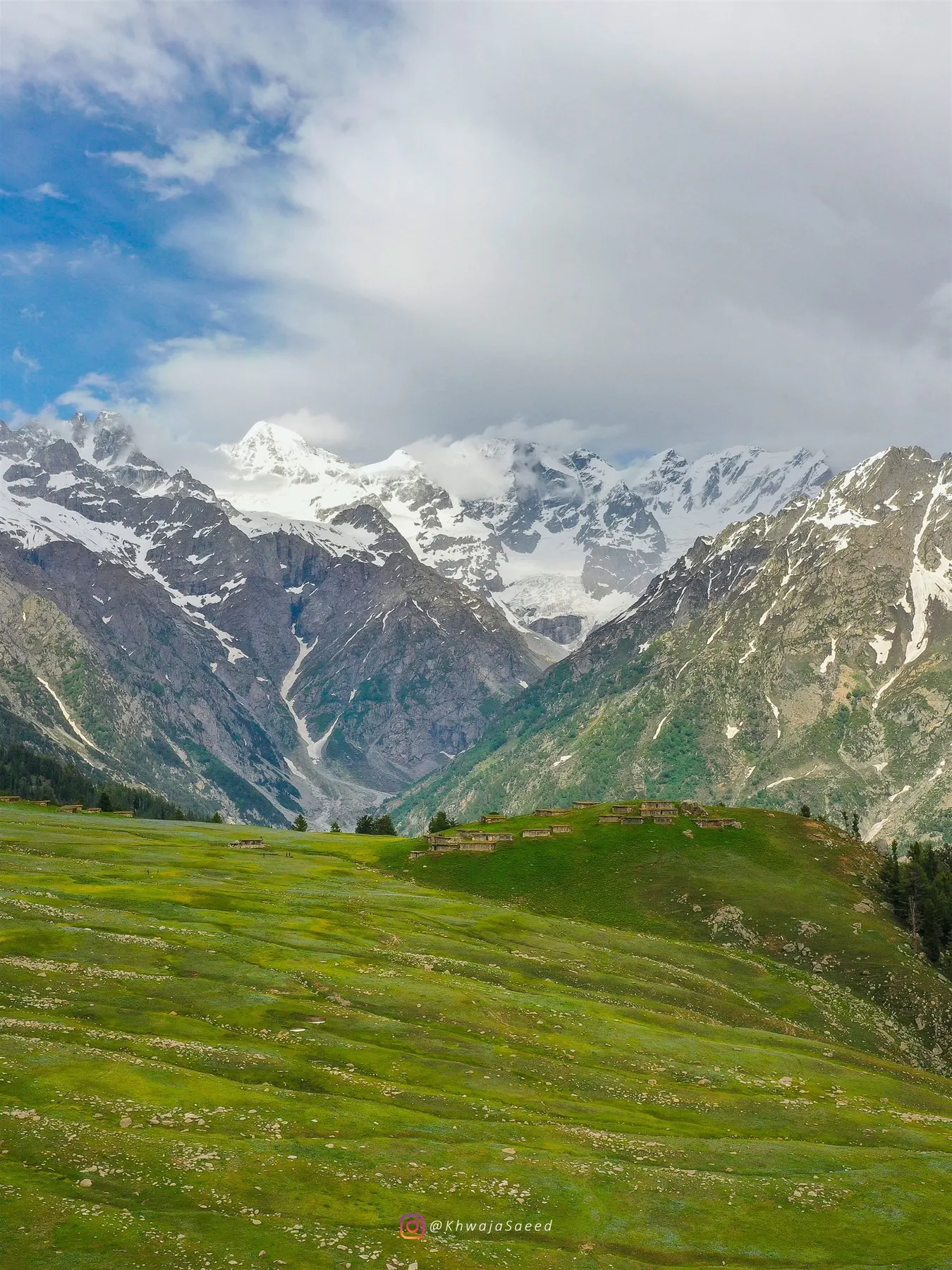
“Swat Valley is where I opened my eyes and took my first breath. It is a place of snow mountains, quiet meadows, and old forests, and I fell in love with it long before I understood what love was. A part of me has been wandering through it ever since.”
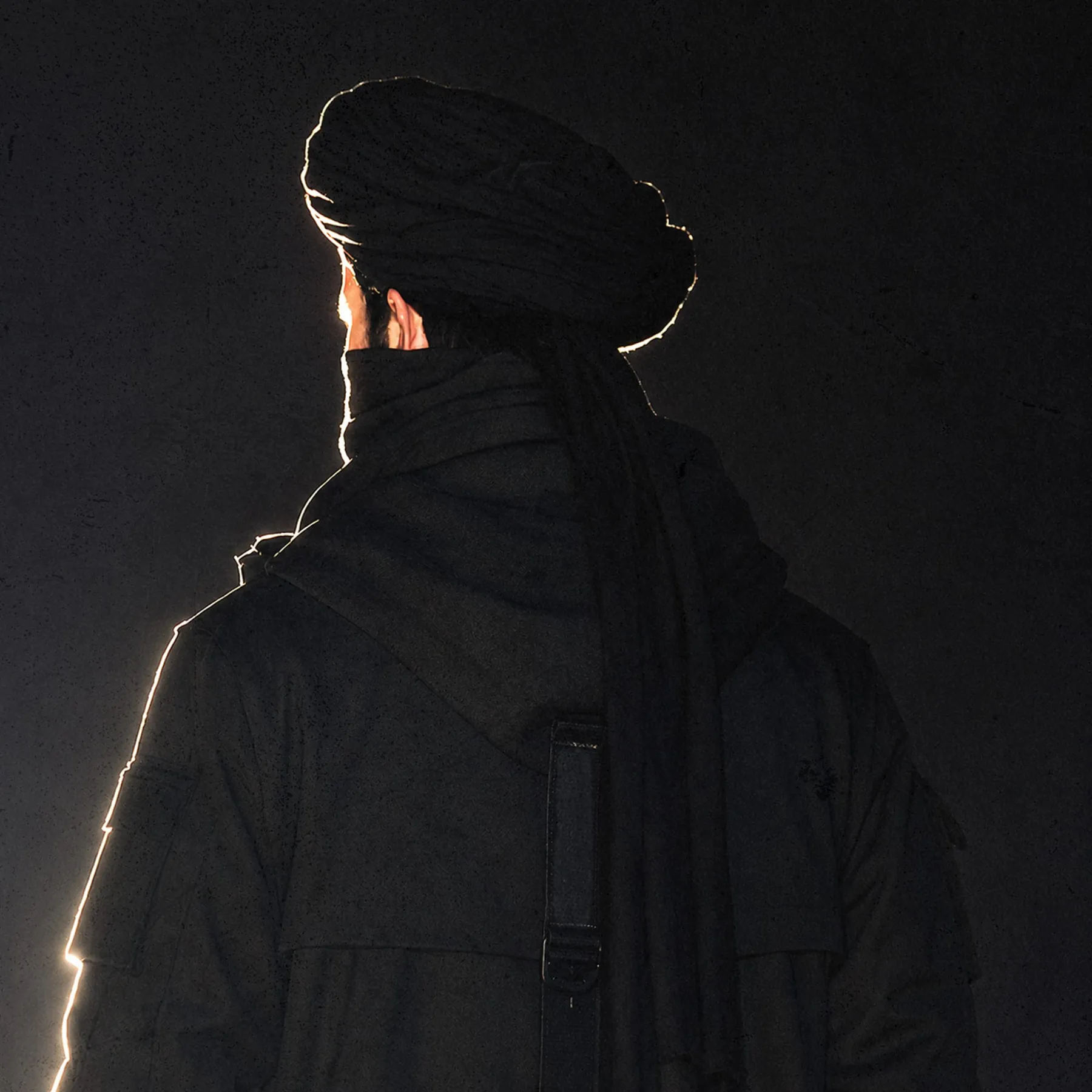
So the poet introduces himself, and the curators can do no better. REBEL X is a poet, published author, and artist from Swat Valley in the north of Pakistan. He writes mostly in English, with Pakhto and Urdu visiting his pages from time to time, publishes under a name that is not a name, and photographs himself only from behind.
His first book, In Love with God, appeared in May 2020: contemplations of the creation about the Creator, in poems and one short story. Two further books, Zankadan: The Last Breath and Jwand: The Beginning, are on their way.
He writes about love and about faith, about the world outside and the world within, depending on which one is louder that day.
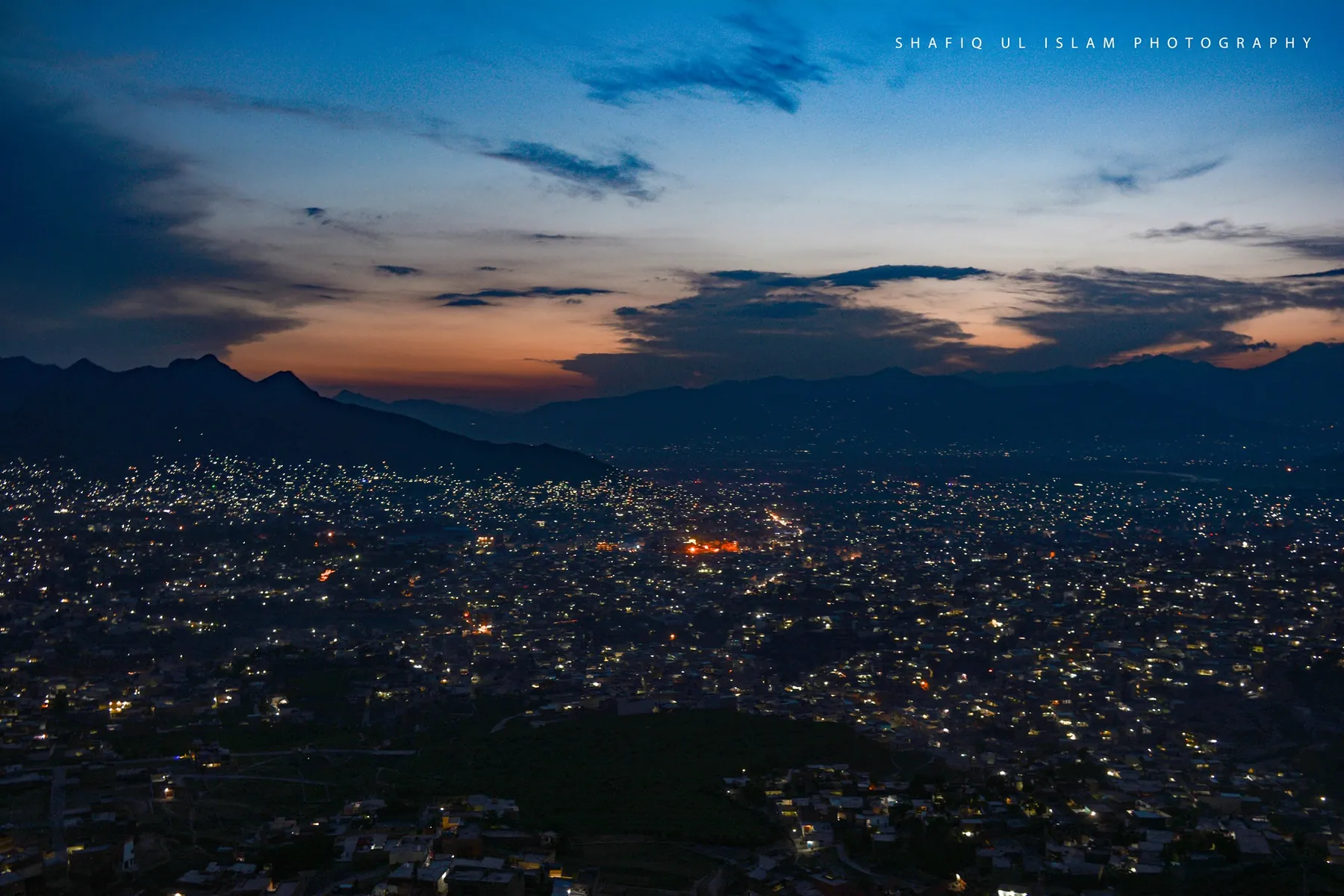
Where the eyes first opened
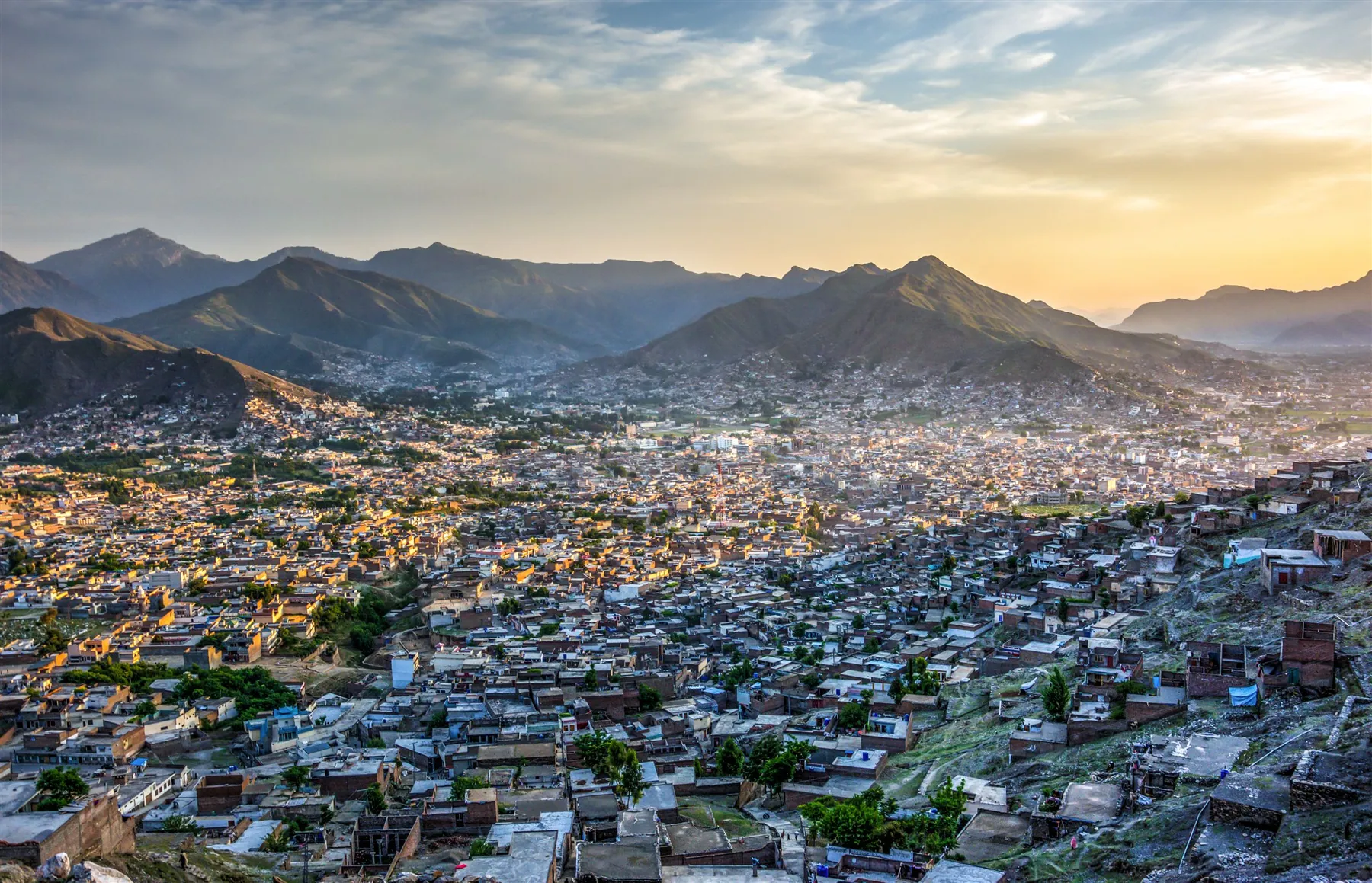
Mingora, in Swat, is where the poet was born. The valley photographs here are hung with gratitude to the photographers who let the museum borrow their windows.
In his own words
“Swat Valley is where I opened my eyes and took my first breath.”Chapter one · origins
“The first words I ever shaped were in English, shy and unsure of themselves. Later I turned to Pakhto, my mother tongue, the language my heart speaks when no one is listening.”Chapter two · the languages; Urdu joined soon after
“Someone close to me read what I wrote and saw something in it. Share your words with the world, they kept telling me. So slowly, quietly, I began to.”Chapter three · going public, almost
“I used to write, but not spiritual writing. It was more focused on earthly romance. But something happened in my life that changed my approach. One day I saw a dream and it changed everything.”Chapter four · from the preface of In Love with God
“This is where my words come from. From the noise that will not quiet, and the fire that refuses to fade. I have not stopped since.”Chapter five · the source
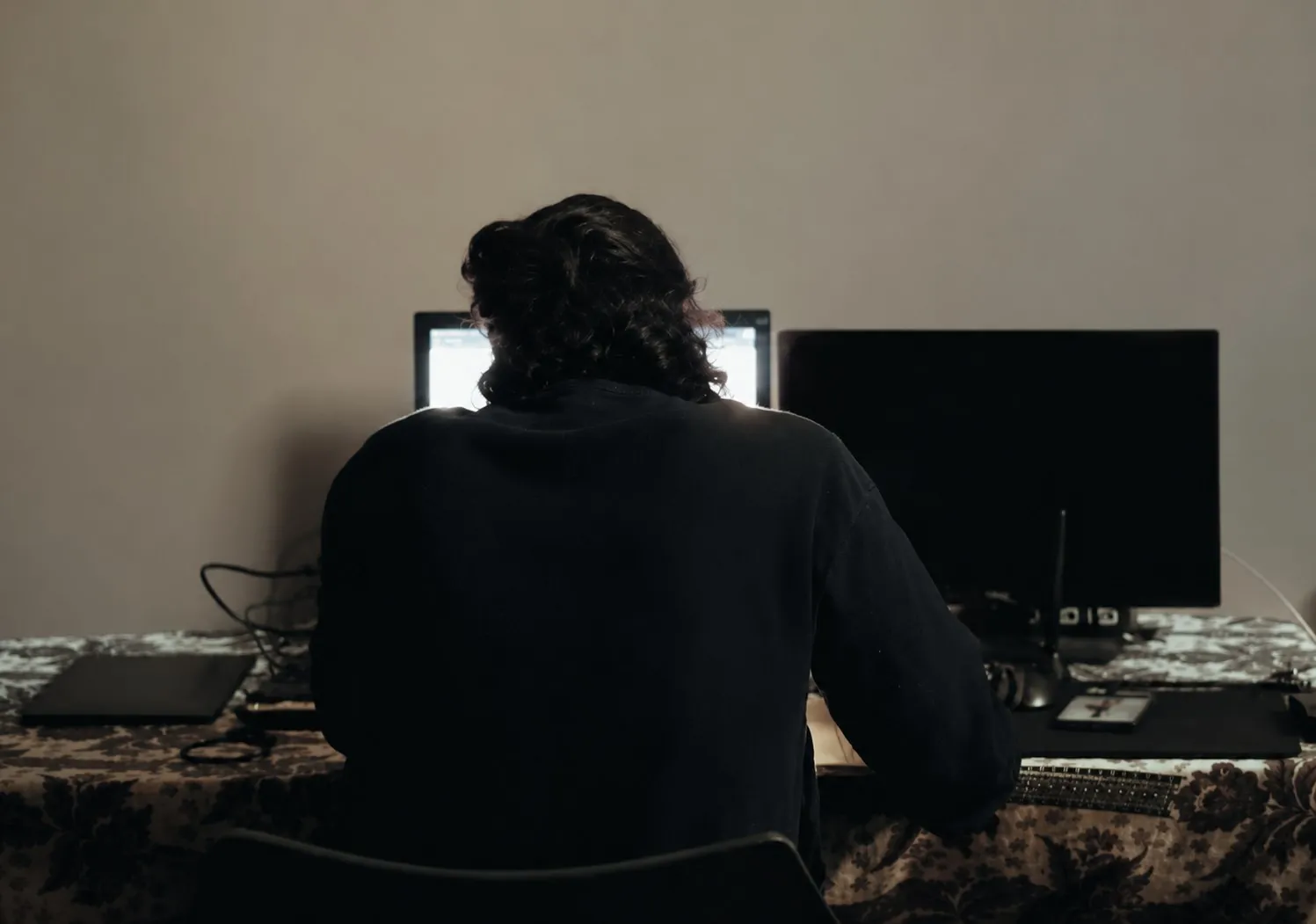
Where the words are made
No studio, no ceremony. A notebook, a pen, a screen, and a tablecloth that has seen every draft.
Pakhto and Urdu, visiting
Six poems hang here: two in the poet’s own roman Pashto, exactly as he keeps them, and four transliterated from his Pashto and Urdu script by the museum and approved by him word by word.
Ishq, kho lewantob dai Ishq, kho tabahi da Ishq, khawre kedal di Ishq, marg sara yari da Ishq, sehra ke wrakedal di Ishq, da khud gumshudgi da
Continue ·
Ishq, khpo ke gurzedal di Ishq, da majnoon ashiqi da Ishq, zana yo maqaam dai Ishq, khanai ke malangi da Ishq, pa de jahaan ke Ishq, a’badi musafari da Ishq, yar ta intizar dai Ishq, khafgan ke khushali da Ishq, janan sara kalaam dai Ishq, kalaam ki khamoshi da Ishq, ajeeba shan ahsaas dai Ishq, ajeeba shan masti da Ishq, khaista shante makhaam dai Ishq, shpa da baraani da Ishq, storay dai asmaan ke Ishq, da stori qurbani da Ishq, da har sawaal jawab Ishq, khabara akhiri da Ishq, kho zana baghawat dai Ishq, da zrha dimagh pehlawani da Ishq, rab sara yari da Ishq, meena haqeeqi da Ishq, da oor daryaab dai Ishq, aghe ke teeraki da Ishq, gumnama tor gulaab dai Ishq, qurban kawal khpala zwani da.
In the poet’s own romanisation · unpublished
nast da sin pa gharha pa las ke qalam panra soch ke me janan we chi pa lara we rawana sa narey narey ba’raan we sa yadoona da janan we yadoona chi lag der shi zama soch tayar toofan we za na’daan yam lewanay yam da pukhtoon da qaam zalmay yam ishq o aman me fitrat key za pa jang ke hum sparley yam
In the poet’s own romanisation · unpublished
Zama khog Nabi, janan Nabi Ma bande de gran Nabi Jahan ba pe qurban krama De domra aali-shan Nabi Sar mi de babar babar Garzama za dar-ba-dar Charta da sukoon da zrha Siwa da Muhammad da dar Nabi Nabi, Habib Nabi De khug qalb tabib Nabi Pa tolo insanano ke Khudai ta de qarib Nabi Ashiq di sham, malang di sham Khaksar di sham, Majnoon di sham Sham di khawre khawre za Nabi da dar khakrob di sham Da har insan rahbar Nabi De mi da zrha sar Nabi Meena ba warsara khud kawoo Der de motabar Nabi Sakht pa imtihanona wo Zulmoona, aafatoona wo Bya hum walarr da ghar prang Ke har somra sakht jangoona wo Tafsir de da Quran Nabi De da haq elaan Nabi Za gumnam ghulam de sham Da sardar-e-do-jahan Nabi Manam che nafarman yama Gunahgar da khpal janan yama Nishta mi pa ishq ke shak Baqi za hum insan yama
Transliterated by the museum · approved by the poet
Za da zana hum yarigam, zakhmi yama pagal yam Pa duniya ba da cha na sham, swazedale mrrawe gul yam Mi porta sho la ishqa, ay khalka noor yaqin Lagawal ra-bande khpalo ilzamoona der sangin Na yum marr aw na jwande yem, pa his sa na pohegam Saah che na akhlam marr kegam, che ye akhlama swazegam Za gul wooma pana shwam la de ishq khaista bagha Os sahra ke khawre kegam, za takhtam la insana Za gumnam wooma, uqaab wom, asmanoona zama kor wo Za napoha sa khabar wom che zama nasib ke wor wo
Transliterated by the museum · approved by the poet
Mujhe ishq hai mere Rab se Main dil jhuka kar jee raha, Jo dil jhukaya main ne to Ab sar utha kar jee raha, Khud ko khud se bhool kar Mujh mein ab ‘main’ na raha, ‘Main’ ko khud se nikaal kar Ab faqat sirf Woh raha, Sun le mere Maula tu Ke yeh banda kya hai keh raha, Dil mein ab sirf Tu hi Tu Ab main kisi ka na raha, Mujhe apne dar pe qabool kar Ab tere siwa koi na raha, Tu hi hai dil mein basa Tera hi naam main le raha, Hai aarzu-e-maut najaaiz Warna dil mera tarap raha, Ke aa jaaoon ab tere paas Duniya ka koi shauq na raha.
Transliterated by the museum · approved by the poet
Jab nikloge talaash-e-mohabbat mein tum, Tumhein is waadi mein thehrna hoga, Agar tu ne khud ko banana hai insaan To pehle aa kar yahan, tu ne bikharna hoga.
Transliterated by the museum · approved by the poet
“When the chaos erupts in my mind and the fire burns my heart, the pain becomes the words, the scream becomes the pen, and the universe becomes a page.”
The wandering, in order
A museum prefers dates; a wanderer prefers seasons. Where the poet has not given a year, the label gives the station instead.
Opens his eyes in the valley. The mountains teach him to feel long before he learns to write; his phrase, and the truest label in this room.
Begins writing, in English first: “shy and unsure of themselves.” The notebooks stay closed to everyone.
The mother tongue arrives on the page, and Urdu beside it. He will keep all three; English is where he settles.
“The day when it all began. The day that sparked the poetry. The day that made me who I am today.” The year, like the face, he keeps to himself.
Someone close reads the notebooks and repeats it until it sticks: share your words with the world. He begins, slowly, quietly, anonymously.
Two and a half years of daily posting build the first archive, and the first family of followers gathers around it.
In Love with God is published: 127 pages, one short story, God’s name on every page. Readers begin writing back.
Around 2021, every account vanishes overnight. The first archive goes with them. He starts again from the bottom, without discussion.
The family finds him again: six thousand wanderers on Instagram, three and a half thousand on Facebook. Old followers arrive first, the way family does.
Life asks for his attention, and he gives it. The page rests; the writing does not.
The return. Posts travel further than they ever did, after years of stillness. “I will always be thankful.”
Two books in preparation: Zankadan: The Last Breath and Jwand: The Beginning. The wandering continues daily, a few lines at a time.
The lost archive
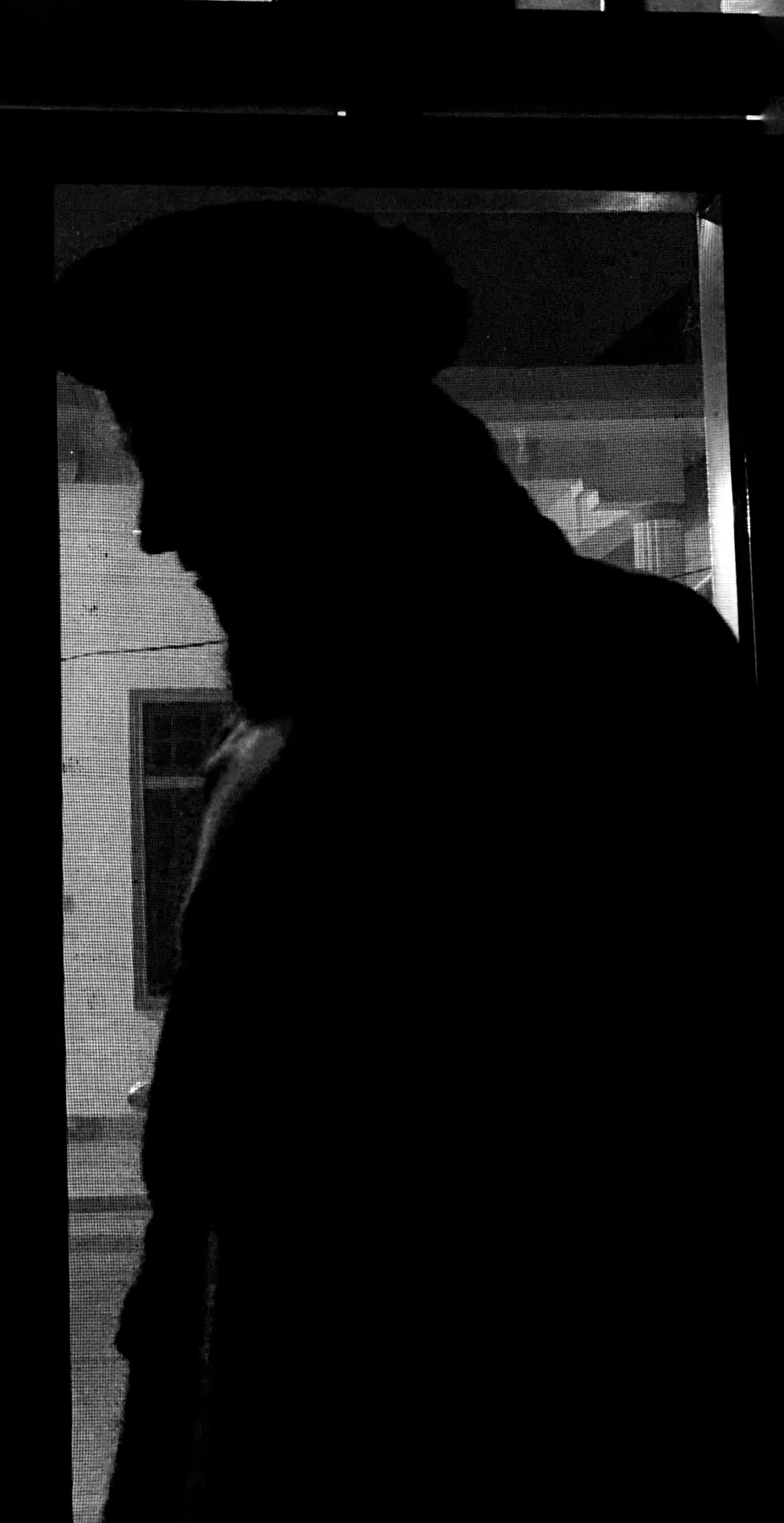
Around 2021 the accounts vanished overnight, and with them more than two and a half years of posted work: the first archive, gone without a farewell. He began again from zero.
The family came back. Six thousand wanderers gathered on Instagram, three and a half thousand more on Facebook. Then life asked for a long quiet, and he gave it one. When he returned, the old followers found him first, and the posts travelled further than they ever had.
He keeps no bitterness about the lost years. The gratitude, he says, outweighs the archive.
No name, no face, finally honest.
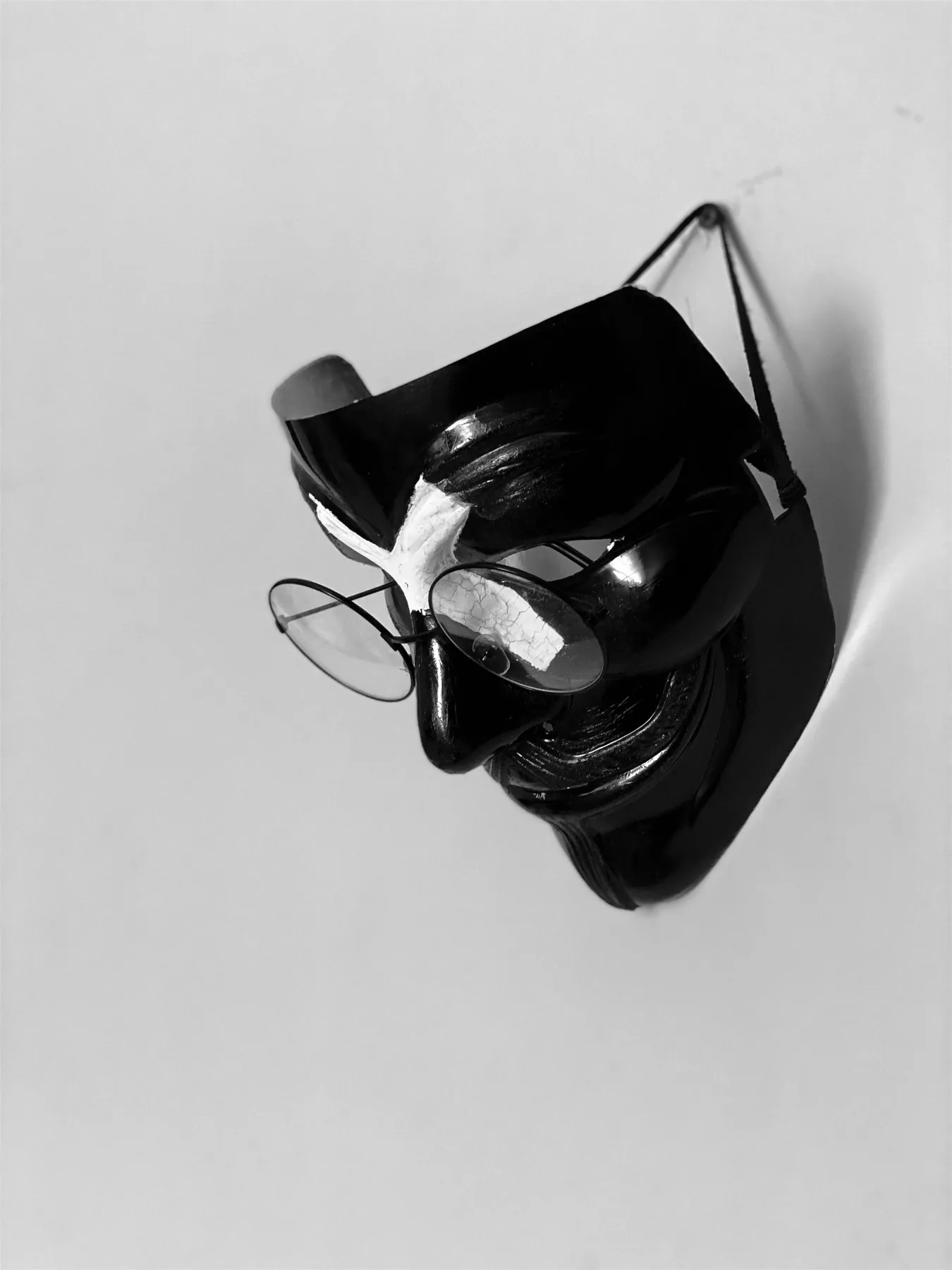
“I have chosen to stay anonymous. With no name and no face to hold onto, I can finally be honest, and you can find yourself in the words instead of finding me.”
“Those closest to me know who I am. I trust them to keep the quiet.”
The exhibition keeps the quiet too. Every portrait in these rooms is taken from behind; the only signature on any wall is the one he actually signs.

“Keep me in your prayers, as we both are in this together. We still have to find ourselves, and ultimately, the Creator.”
From the preface, In Love with God
Hope you enjoy your journey with me, fellow wanderers.
your friend,
rebel x